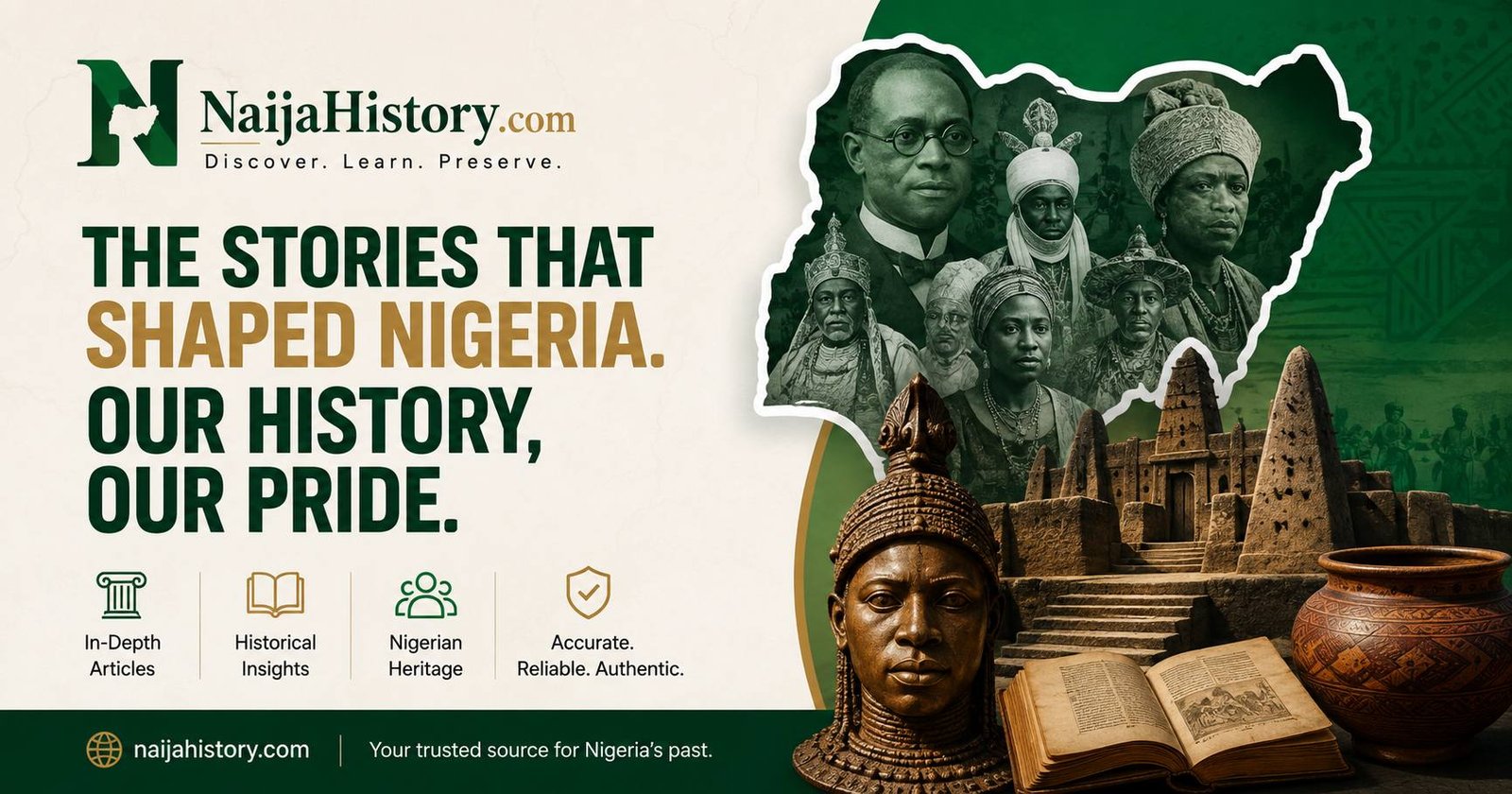
The territory now known as Kaduna State has a long and diverse history stretching back thousands of years. One of its most important archaeological legacies is the Nok culture, famous for sophisticated terracotta sculptures and early iron-working traditions. Nok archaeological sites are concentrated particularly around the southern and central parts of the wider Kaduna region.
Before colonial rule, northern parts of present-day Kaduna were strongly connected to the Hausa states and the Zazzau or Zaria Emirate. Zaria developed as one of the major political and commercial centres of Hausaland and became an important centre of Islamic learning, trade and traditional authority.
Southern Kaduna developed through numerous indigenous societies and chiefdoms, including communities associated with the Atyap, Bajju, Adara, Ham, Kagoro, Gbagyi, Jaba and other ethnic groups. These societies maintained their own languages, political institutions, religious traditions, agricultural systems and cultural identities.
The region's position between the northern savanna and the more wooded southern highlands also made it an important meeting point between different ecological and cultural zones.